
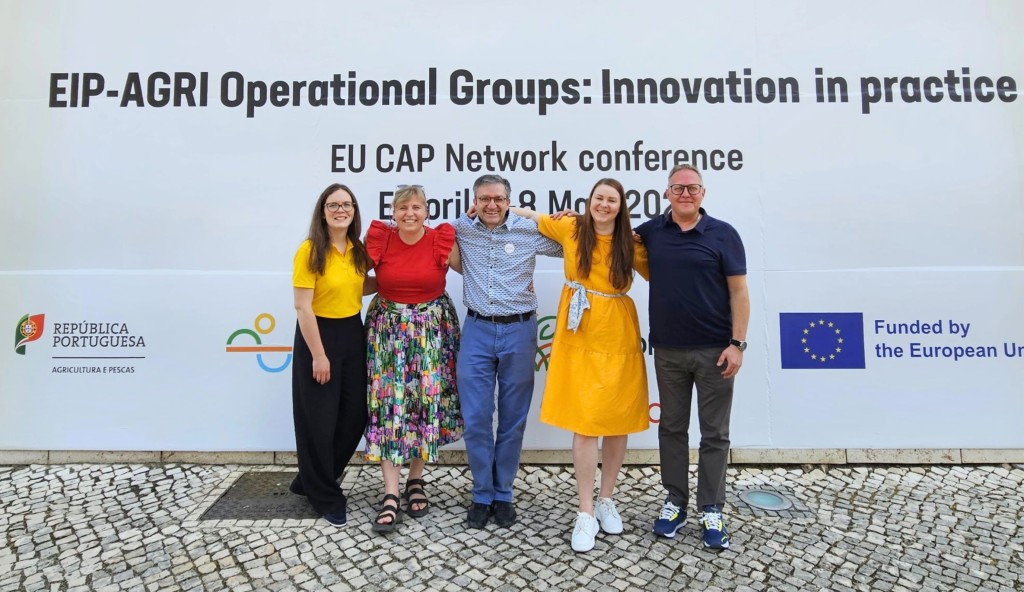
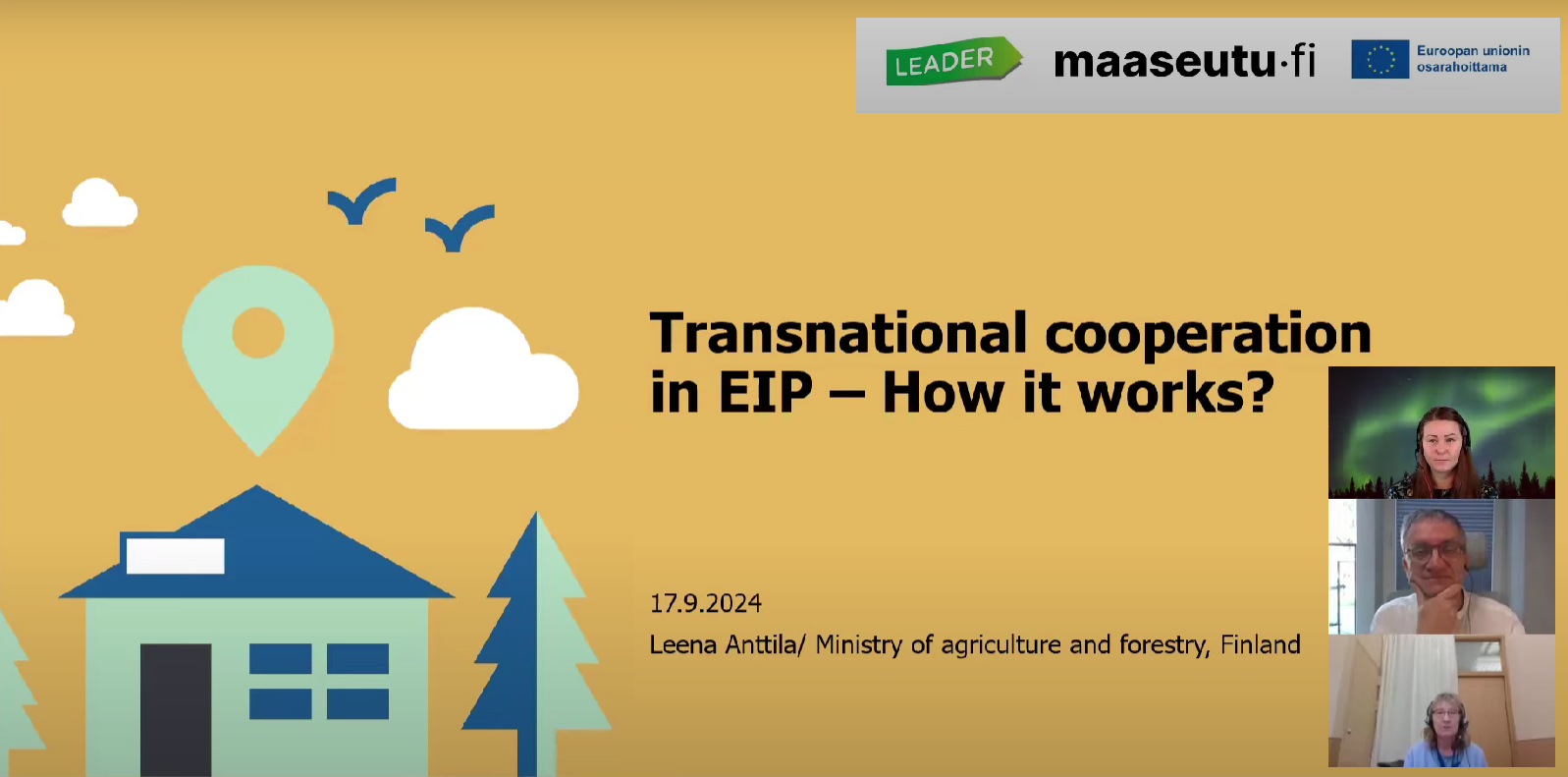
The primary goal was to motivate other EU member states to adopt transnational projects and showcase the tools, skills, and initiatives that have made cross-border cooperation successful. In the current CAP (Common Agricultural Policy) Strategic Plan for 2023–2027, Finland and Estonia have allocated funds to encourage such initiatives. But what does transnational cooperation in EIP really mean, and how can it shape the future of EU agricultural innovation?
Finnish Commitment to EIP and TNC
One of the key presentations focused on the Finnish CAP Strategic Plan for 2023-2027, which has allocated €20 million for EIP projects, including €5 million for national and transnational ones. Finnish regulations require at least two partners (Finland + one other country) in any transnational project. Each partner must justify why the project needs to be transnational, demonstrating its added value. Once approved, the costs for coordinating these cross-border efforts are also eligible for funding.
"While the process is promising, synchronizing calls between member states can be challenging due to different needs and practices," one participant noted. However, the consensus was that careful planning and early discussions with other countries can help overcome these obstacles.
Lessons from Leader Projects
Finland's experience with transnational Leader projects since the 1990s has provided a solid foundation for EIP cooperation. One participant remarked, "I think we've learned the whole process for EIP TNC from Leader. Since Leader TNC has been ongoing for a long time, it has already proven what works and what doesn't."
Leader projects focus on local development in rural areas and have demonstrated that cross-border cooperation can be both successful and impactful. The experience gained from Leader has significantly shaped how Finland approaches TNC in EIP, offering valuable lessons in coordination and project management that can be applied to future transnational innovation projects.
Overcoming Barriers to Transnational Projects
One of the main challenges raised during the workshop was the lack of a unified transnational programme within the CAP.
Each project partner must apply for funding from their respective national managing authority, and there is no joint budget across countries. This requires strong cooperation between Managing Authorities (MAs), Paying Agencies (PAs), and National Rural Networks (NRNs) to ensure smooth communication and implementation. “Synchronizing calls, selection criteria, and funding rates make a lot of sense, but they are also relatively complicated to coordinate between administrative authorities," noted a participant. This complexity means that while TNC offers many benefits, it also requires more administrative effort than purely national projects. Early planning, written agreements, and even Letters of Intent (LOIs) are crucial to ensure success.
The Role of Technology in EIP Applications
The Hyrrä Web Service, Finland's digital tool for processing EIP applications, was highlighted as an essential resource for TNC projects. Launched in 2015, Hyrrä integrates all the data necessary for EIP applications, guiding beneficiaries through the process with reminders, tooltips, and seamless data input. The platform is ISO-270001 certified and has been continuously updated to meet the needs of the EU's current programming period.
"Hyrrä really simplifies the application process, allowing applicants to enter all the required information in one place," a participant explained. By making the process more accessible, platforms like Hyrrä play a critical role in streamlining the complex administrative work involved in transnational projects.
Looking Ahead: TNC in Post-CAP27
As the workshop concluded, the focus shifted to the future, with discussions about the need for more supportive measures for TNC in the post-CAP27 period. Participants agreed that while the current framework allows for TNC projects, there is room for improvement, particularly in synchronizing funding calls and easing the administrative burden for project partners.
"Before the next funding period, it could be an option to define specific criteria for TNC in cooperation," suggested one participant.
The need for more formalized structures, more explicit criteria, and better coordination between member states was seen as crucial for the future of TNC within the EIP framework.

Conclusion
The workshop highlighted how transnational cooperation within the EIP can unlock new opportunities for innovation in agriculture. While challenges exist, particularly in coordinating funding and calls across different countries, the benefits of sharing knowledge, expertise, and resources are evident. Finland's experience with Leader projects and its commitment to the EIP demonstrate that transnational cooperation is not only achievable but essential for the future of sustainable agriculture in Europe.
As one participant aptly summarized,
In the future, as we gain more experience in EIP TNC, there may be valuable lessons that Leader can learn from EIP.
The workshop underscored that TNC is a powerful tool for driving agricultural innovation. With continued collaboration and support, it can play a pivotal role in shaping the future of Europe's agrifood innovation landscape.
All the presentations, recordings, and discussions can be found on the event's webpage.
Article author:

Konstantin Mihhejev
Innovation Specialist
[email protected]

