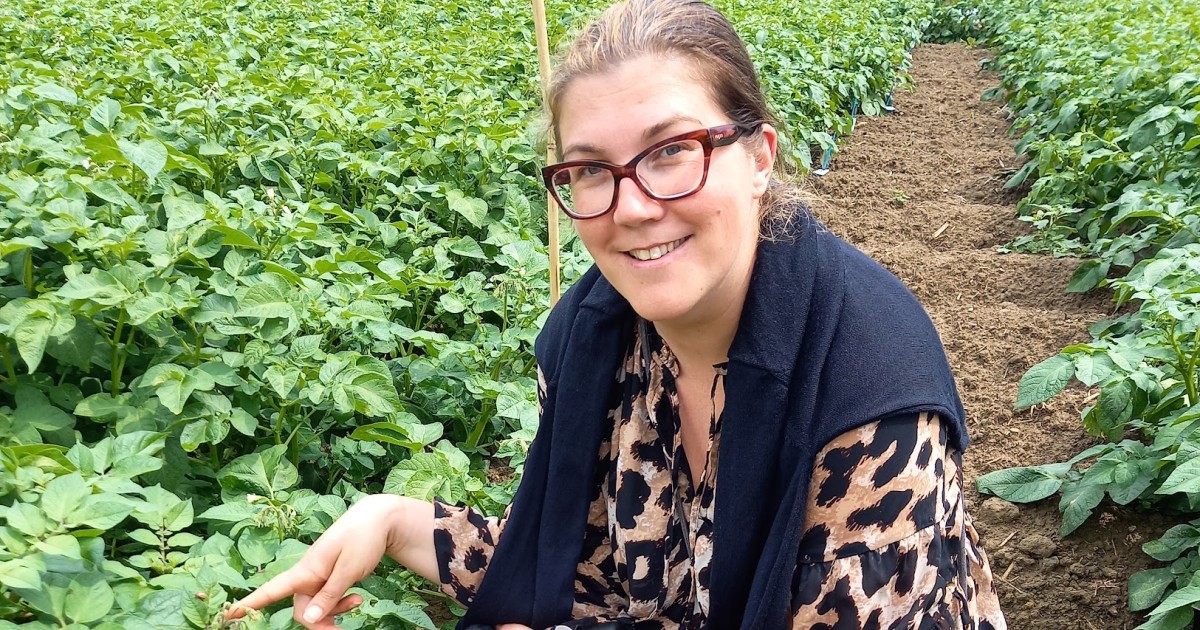
The doctoral thesis is based on seed potato monitoring data collected between 2007 and 2022 and more than a thousand seed lots tested. This is the first comprehensive overview of the spread of potato viruses and the composition of virus strains in Estonia. Viruses can reduce yields without visible signs. An infected plant produces fewer tubers and the virus can be transmitted to the next generation with the tubers. There is no control option in the field, but potato viruses are safe for humans.
The results showed that of the six routinely monitored potato viruses, potato virus Y (PVY) is by far the most common in Estonia. Potato virus M and S are less common. Potato virus X and leaf curl virus were only found at the beginning of the study period, while potato virus A was not detected at all.
The most important result concerns the virus strains. While previously non-recombinant strains of PVY caused clearly visible disease symptoms, recombinant strains now dominate in Europe. They can spread without severe symptoms and remain unnoticed in the field.
Sman, together with supervisors Lilian Järvekülje and Merike Sõmera, studied the virus strains present in PVY-infected samples collected since 2011 and found that these strain groups also make up the majority of the virus population in Estonia. Recombinant strains were found in about 90 percent of seed potato samples infected with PVY.
Additional sequencing in 2025 led to two findings: after a 16-year hiatus, potato leaf curl virus (PLRV) was found again in Estonia and two different strains of potato S virus were identified. PLRV is considered the potato virus that causes the greatest economic damage after PVY. The study revealed that weather affects the spread of the virus, but less than expected. Aphids spread the virus and warm and humid July favor infection. However, the variety grown is of decisive importance.
The variety is crucial
The dataset made it possible to divide potato varieties into resistance classes. It turned out that the behavior of some varieties in Estonian conditions differs from the breeders' estimates, probably due to the influence of local virus strains.
For example, "Folva", "Arcona" and "Rosagold" turned out to be very susceptible in Estonia. In contrast, "Laura", which is widely grown in Europe, was very resistant: its average PVY infection rate was only 0.2 percent over 16 years. "Gala", "Princess" and "Jelly" also proved to be very resistant. Of the Estonian varieties, "Ants" showed good resistance. Scientists found that the infection of more resistant varieties depends less on the weather. Therefore, variety selection is becoming increasingly important in the context of climate change.
According to an estimate published in the journal Potato Research in 2024, PVY will cause annual losses of nearly 187 million euros in Europe. Since there is no effective treatment for potato viruses, success depends on prevention: healthy seed potatoes, accurate diagnostics and growing suitable varieties. "With the right variety selection, we can significantly reduce the impact of viruses," said van der Sman.
What can growers do?
The spread of viruses can be limited by using controlled seed potatoes and growing varieties with good resistance. Therefore, it is wise to have your tubers tested in a laboratory before planting. During the growth period, it is worth removing plants with signs of the disease and destroying self-sprouted potato plants in and around the field, which may be a source of infection.
The METK laboratory performs virus diagnostics of seed potatoes, which is used in certification. Growers can test their tubers and plants. The methods applied in the doctoral thesis help to identify viruses and their strains more quickly and accurately.
Insidious virus threatens potato harvest
27.10.2026 | 15:05
Gallery
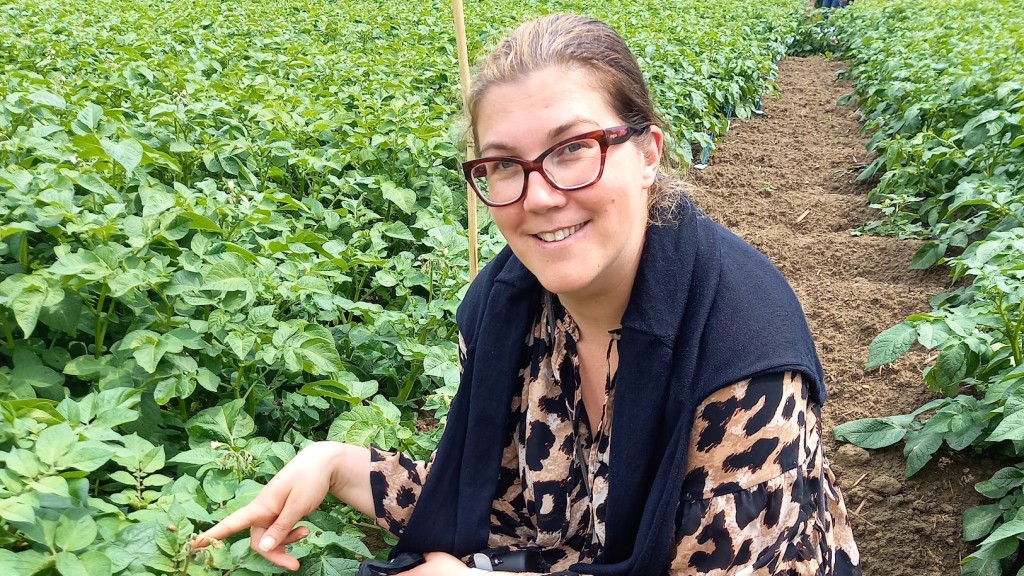
Potatoes can look healthy but be infected with a virus at the same time. The doctoral thesis defended in September at Tallinn University of Technology by Piret van der Sman, head of the The Centre of Estonian Rural Research and Knowledge (METK) laboratory, shows that the biggest viral threat to Estonian potato cultivation, potato virus Y, often spreads without clearly visible signs of the disease. This means that the infection can go unnoticed in the field, but still cause yield losses and a decrease in the quality of tubers.