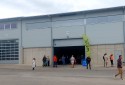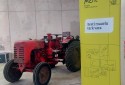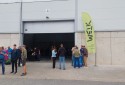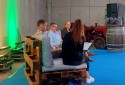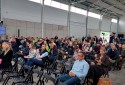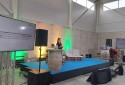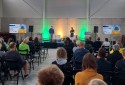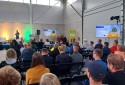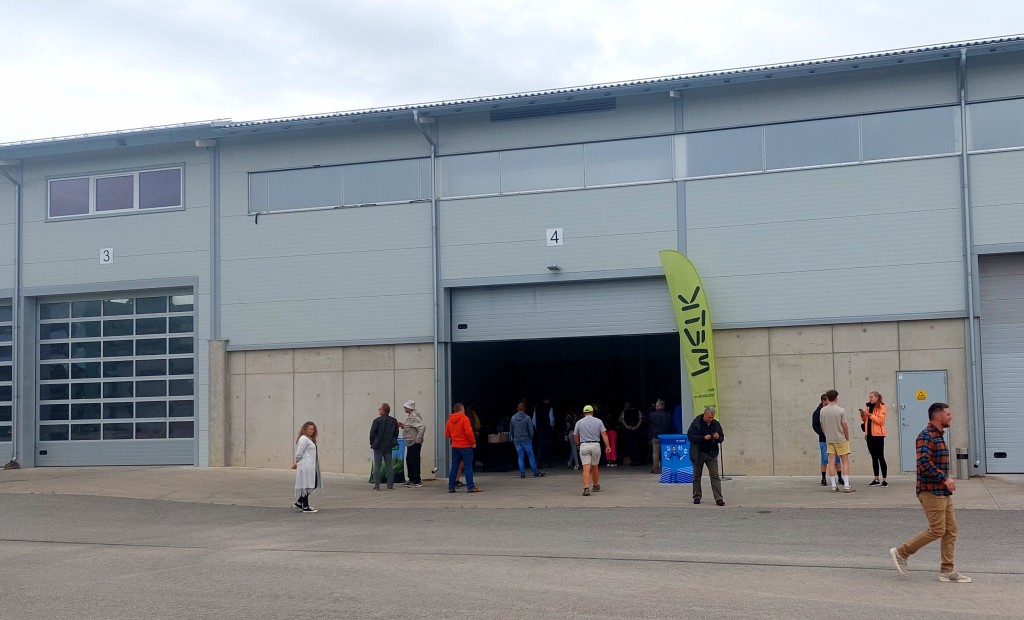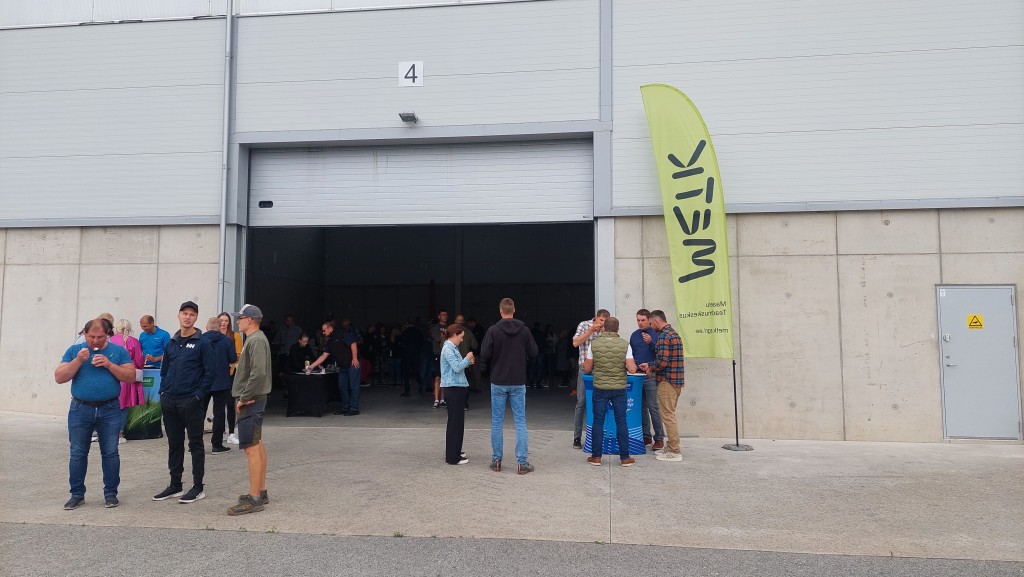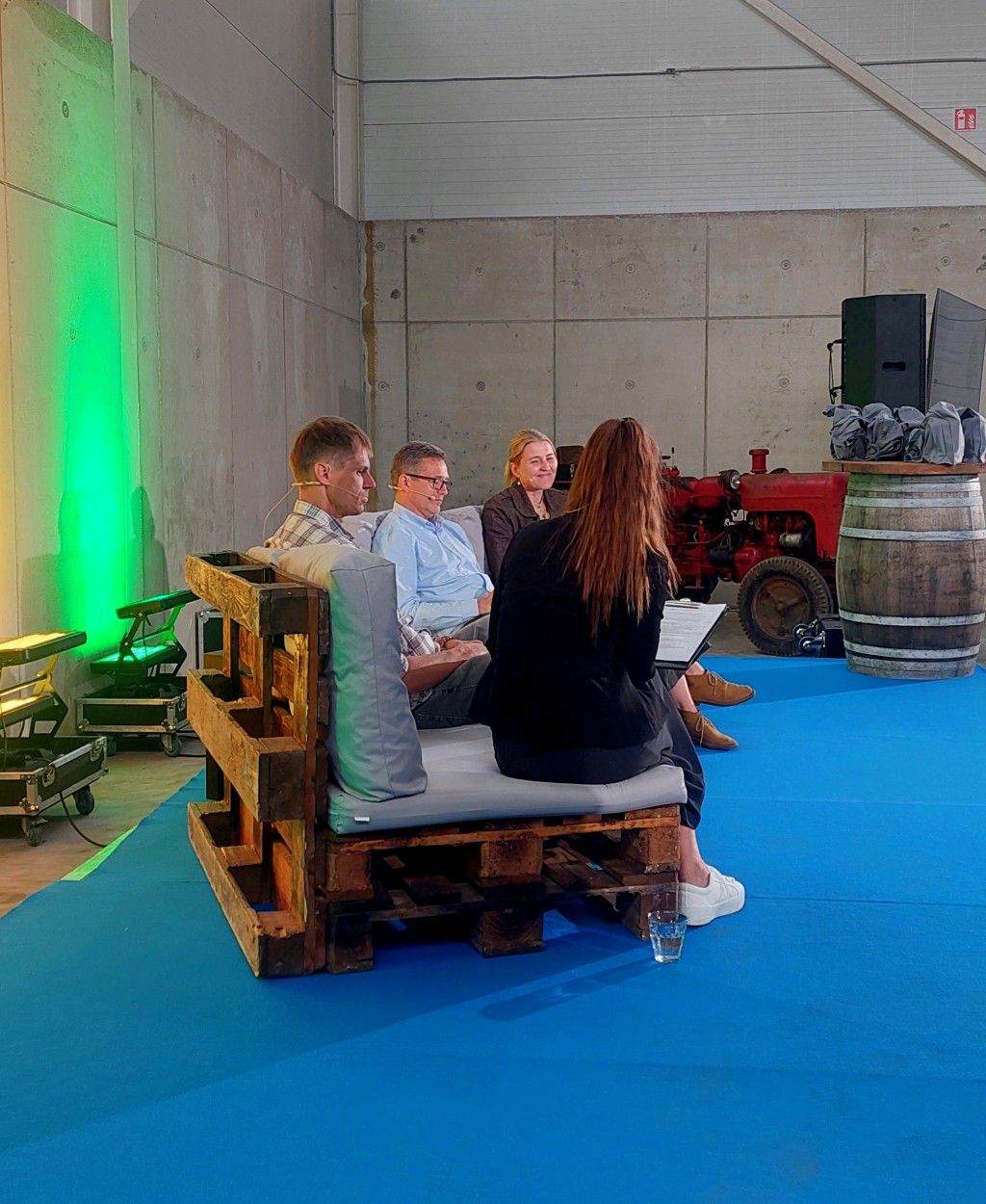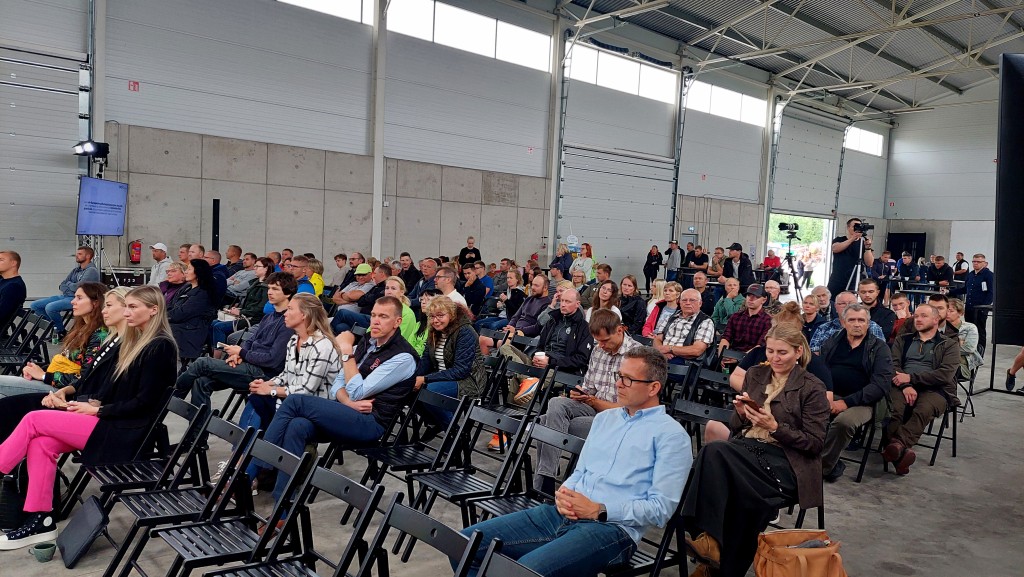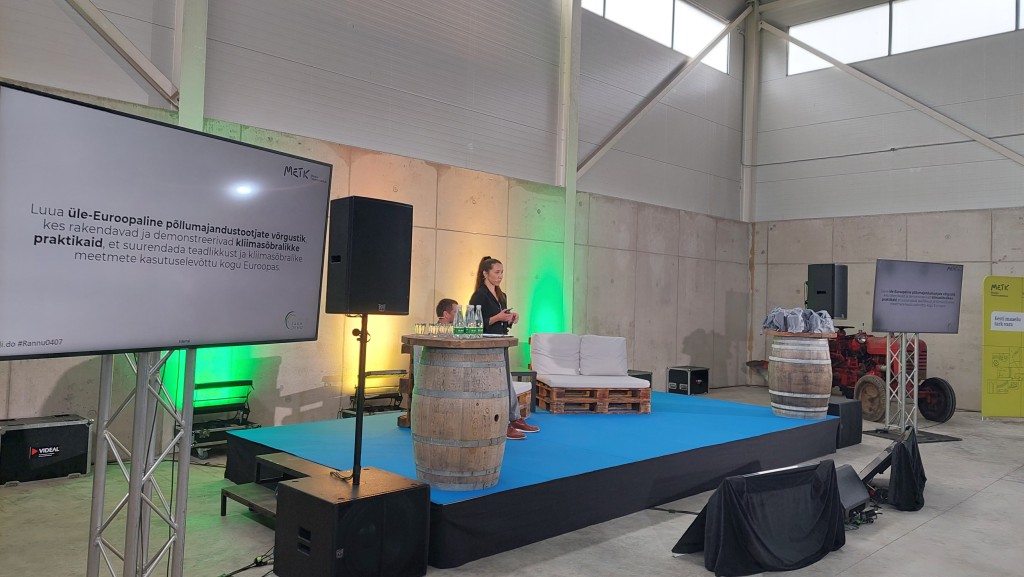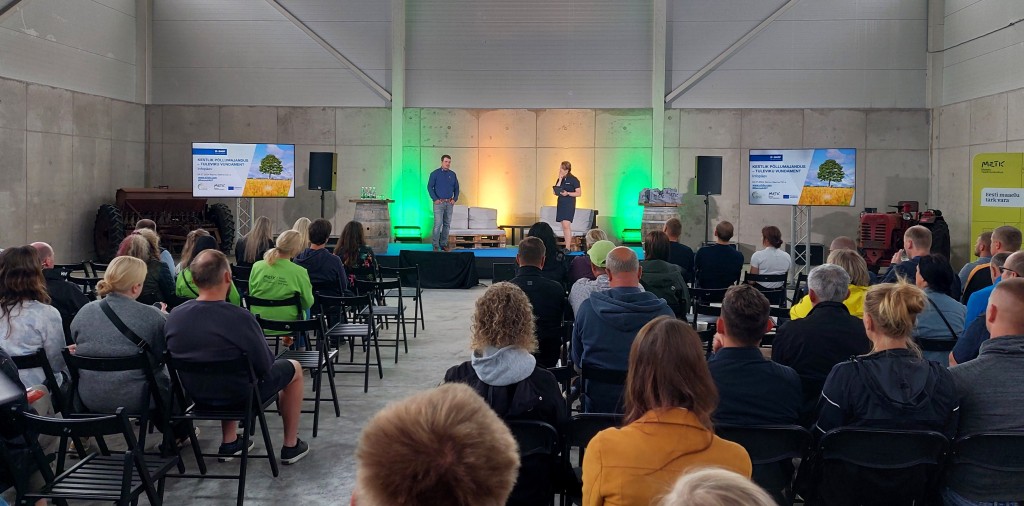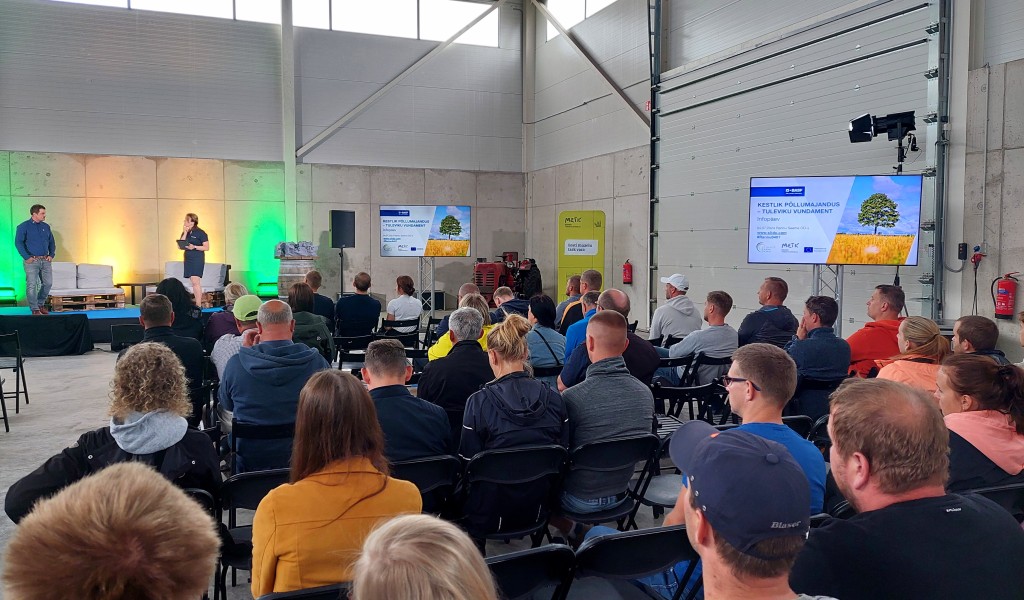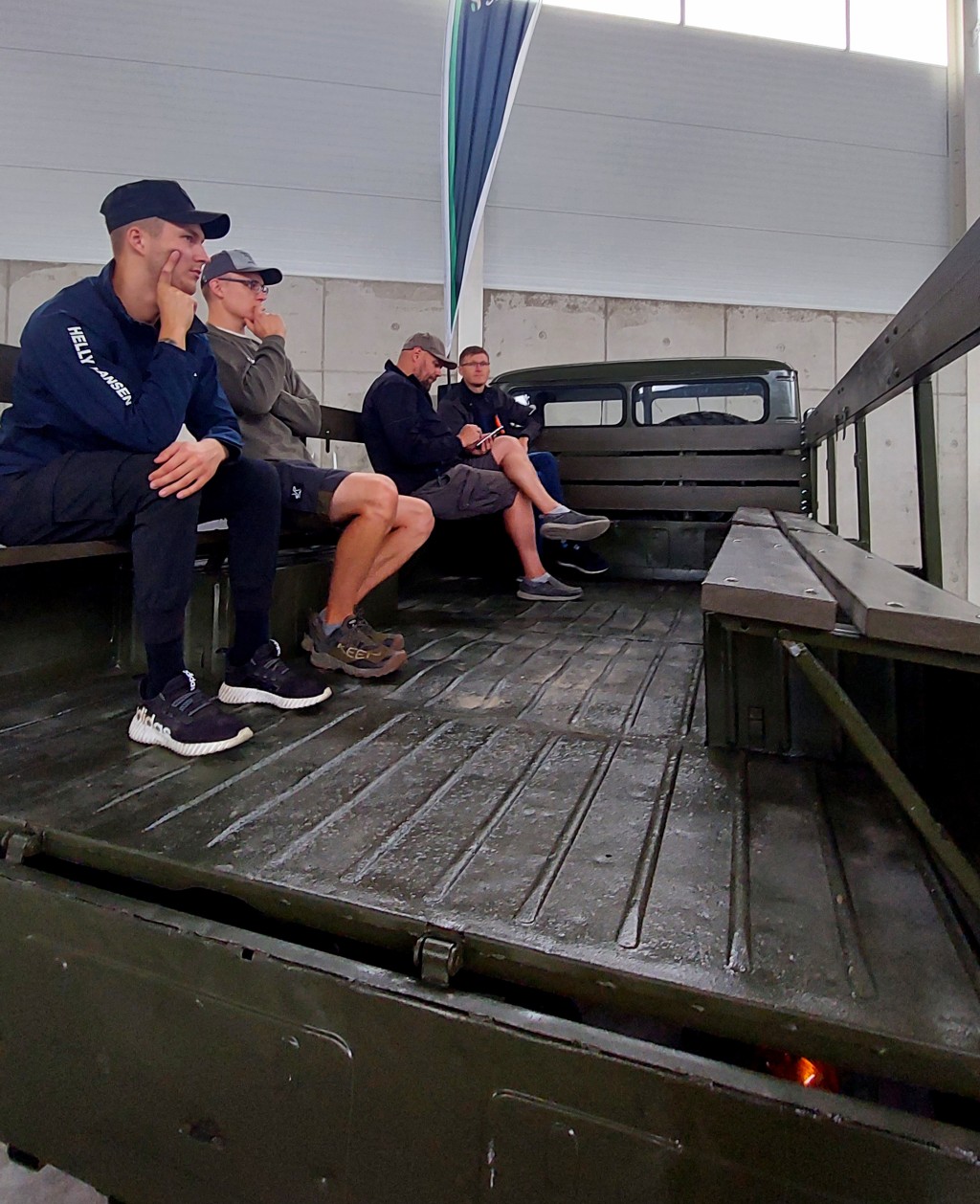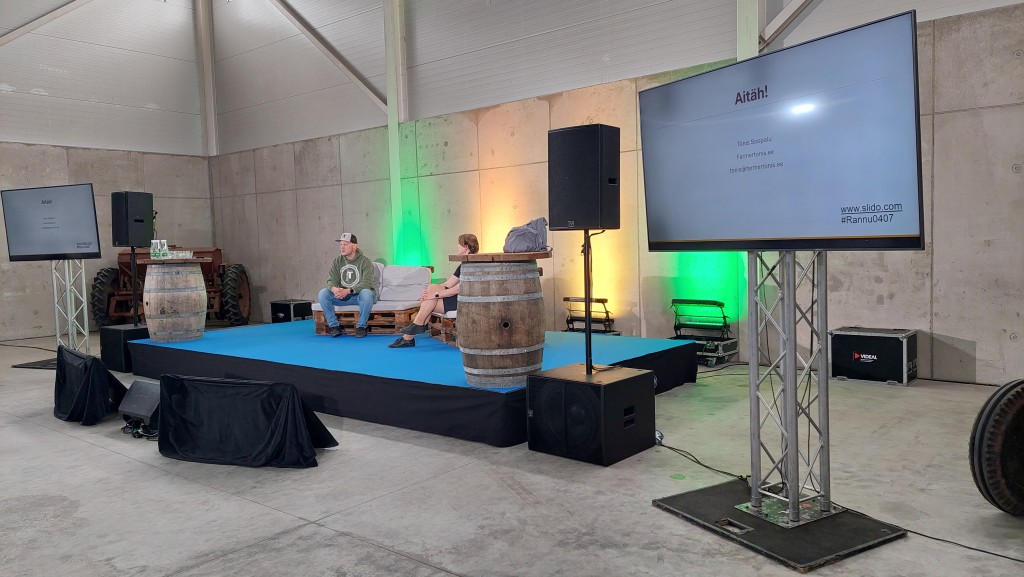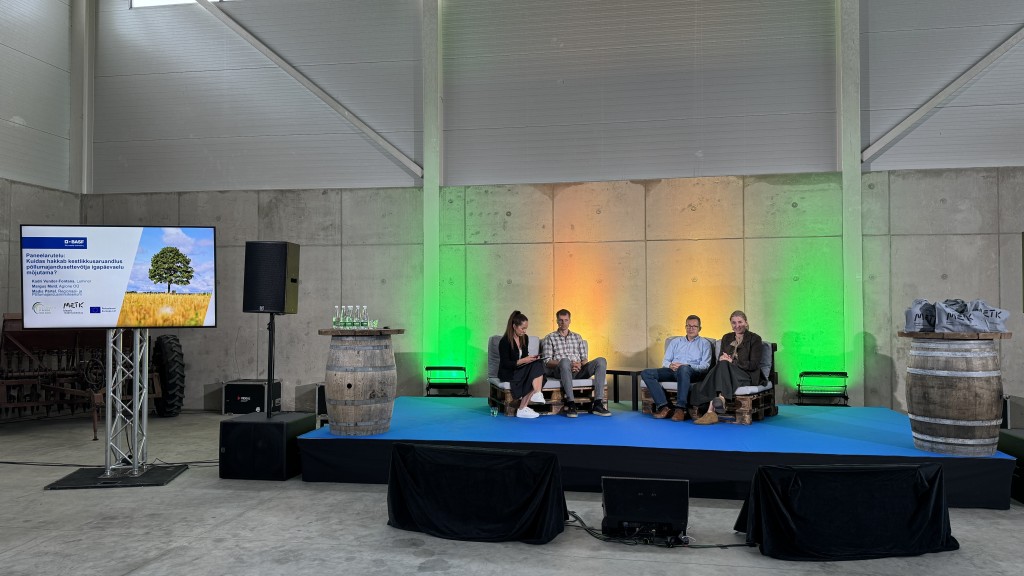
The event had well over a hundred attendees and was supported by the Rural Knowledge Centre and BASF Agricultural Solutions Estonia. Rannu Seeme is a family-run business whose third generation is already taking over the reins. Farming started already in 1989 on a five-hectare plot of land. By 2024, the harvested area will have grown to 2200 hectares. The main crops are wheat, oilseed rape, canola, barley, peas, rye and oats. In the past, chickpeas, lentils, and soya beans were also sown. But also crops such as durum wheat and spelt.
Is Rannu Seed environmentally friendly?
The farming family—Madis, Marge, Jaagup, and Tõnis Ajaots—confirm that it is essential for them to strike a balance between production and nature conservation.
There are many environmentally friendly practices at the farm. For instance, they use three hundred hectares for intercropping and growing green manure crops, which are not harvested but improve soil and field conditions. This helps to ensure sustainable crop production. They also care for bee foraging areas, avoid rotating the same crops, and practice environmentally friendly management. Additionally, they utilize different cultivation practices such as direct sowing, minimum tillage, and plowing.
Innovation can really pay off
The modern crop protection and fertilization methods implemented at Rannu Seemne aim to preserve nature and reduce costs. The farm has incorporated Paul-Tech soil stations, which enable more precise and targeted fertilization practices.
Additionally, satellite maps are employed to accurately assess winter crop damage. This information aids in making early replanting decisions at the onset of the growing season.
Moreover, the farm has conducted trials on a drone-based early growing season vegetation index (NDVI) to generate fertilization maps.
Topics for discussion
The panel discussion raised concerns about maintaining competitiveness. European Union (EU) member states are committed to making the EU climate-neutral by 2050. The European Commission recommends a 90% reduction in net greenhouse gas emissions by 2040 compared to 1990.
This target has raised several questions among practitioners. One of the most important is how to ensure competitiveness, create a level playing field in the international market, and ensure that all continents contribute equally. Market regulation is, therefore, needed so that our farmers do not have to compete with higher-emission production.
What is a Climate Farm Demo?
Climate Farm Demo aims to raise awareness of climate-friendly solutions and to develop a thematic network of farms across Europe. More than 25 farms from Estonia are involved (in total, 1500 European farms will be involved).
Farms will have the opportunity to learn from each other's practices and receive training and advice on improving their climate-friendly operations. On-farm demonstrations will showcase different practices and innovations.
The project is led by the French Agricultural Institute (ACTA). It involves 81 organisations from all European countries.