
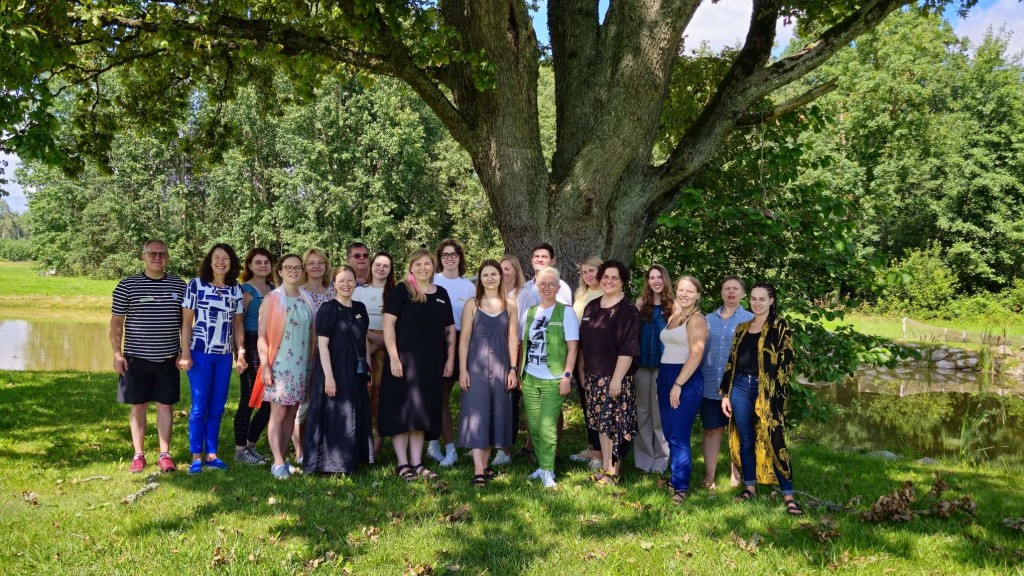
This event brought together participants from various countries to deepen their understanding of teamwork, motivation, and experiential learning, equipping them with the tools to support the agricultural sector better.
Day One: understanding team dynamics
The first day of training was focused on the stages of teamwork, where participants analyzed how teams function at different phases and their ability to achieve results. This included familiarizing themselves with theoretical concepts and engaging in practical tasks that emphasized team formation and development. As Anna Marie Reimann noted, "The training was informative, and the program was structured in a way that made it easy to follow all the information. I really appreciated that we didn't just focus on theory but also engaged in many practical exercises."
Day Two: Exploring motivation and learning techniques
The second day was dedicated to understanding various types of motivation, such as achievement-oriented and community-driven motivations, as well as different communication patterns. Participants were introduced to Kolb's experiential learning cycle, which emphasizes learning through experience—a concept that resonated deeply with them. Liisa Kübarsepp said, "For me, it was crucial to learn about Kolb's experiential learning cycle. In the future, I will try to incorporate more variation in methods when planning events to keep participants engaged and ensure they better retain the new information."
Developing skills for effective training
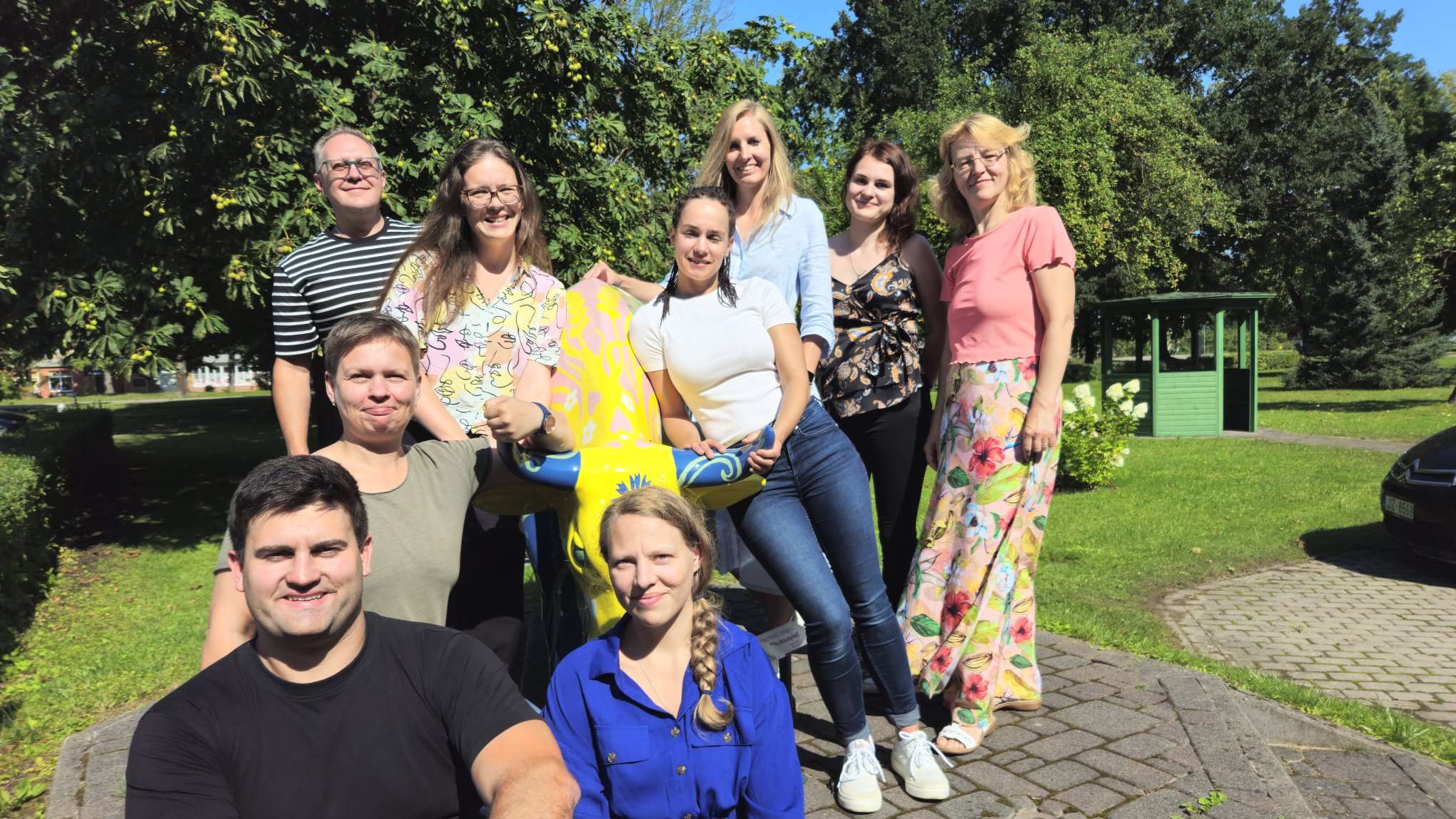
Participants also learned essential skills for developing training plans and schedules, including experience analysis, goal setting, and target group analysis. These skills were critical in drafting initial plans for training days and workshops. The training emphasized the importance of understanding what motivates individuals, as effective leadership requires an awareness of these driving factors. Manuela Kollom highlighted the significance of this approach: "Good teamwork is built on clear goals, transparent communication, and constructive feedback."
Practical tools and methods
The participants were provided with several valuable resources. These included a list of 56 different training methods, a seven-step table based on Andy Gilbert's Go MAD (Go Make A Difference) method, and practical tables to help organize events and map out target groups. These tools were designed to be immediately useful in their daily work, facilitating better planning and execution of future events.
Reflecting on the experience
Participants left the training with a wealth of new knowledge and practical insights. Hanna Raidvere-Sepp reflected on the value of the experience, saying, "I gained new insights on how to make events more lively and interesting and how to organize an event's schedule better so that participants can take away as much valuable information as possible." The training also underscored the importance of continuous learning and the need for further development in areas such as online event organization and engagement methods.
Looking ahead
The training session in Jelgava was an opportunity to learn and connect with colleagues from different countries, expand professional networks, and foster international collaboration. As Konstantin Mihhejev observed, "This was a historic training session, primarily because it involved training rural networks from multiple countries in English, using Horizon 2020 funding." With positive feedback from participants, there is already interest in organizing future training sessions, with Finland being considered as a potential host for the next event in 2025.
This training session was critical in building stronger, more effective CAP networks, enabling them to better support the agricultural community and address future challenges.


