
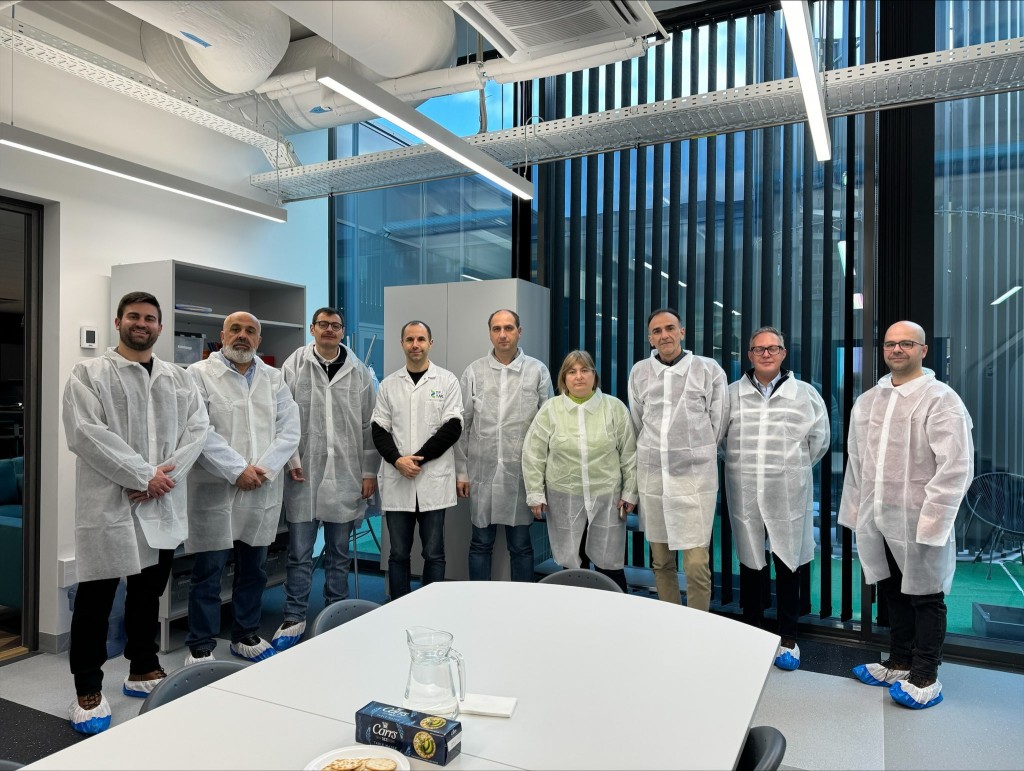
The recipient of the study visit was the Centre of Estonian Rural Research and Knowledge (METK). Laboratories, ministries, farms, and much more were visited for five days. The primary focus was on the structure and solutions of the METK.
Hazir Polozhani, Professor at the State University of Tetovo, and Boro Kaevski, Junior associate in the Unit for Science, research, and Advisory Services, spoke about their experience of the study visit.
What is the current state and intricacies of the agricultural and rural development advisory system in North Macedonia?
We are constructing a new advisory system to modernize the existing one. A new law on advisory services in agriculture is on the horizon, expected to be ratified in the coming weeks; it's currently in the final stages of parliamentary adoption. This legislation encompasses provisions related to the establishment of the agricultural knowledge and innovation system. It outlines the structure and operation of the advisory advisor farm, emphasizes the ongoing training of advisors, and envisions the creation of an extensive network involving research institutions, faculties, private companies, government bodies, and farmers.
Significant investments are being made, with the Ministry of Agriculture allocating substantial funds, particularly for investments. This support extends through various avenues, including the National Program for Rural Development, which encompasses multiple measures. Also, assistance is being provided through partial programs and funding collaborations with the European Union.
Which major products characterize the agricultural landscape of North Macedonia?
We consider three primary agricultural products crucial for our region:
- Grape production and wine manufacturing
- Tobacco production
- The cultivation and processing of fruits and vegetables
Tomatoes and bell peppers play a significant role, with our most renowned product being wine, acknowledged even in Europe, where the European Union recognizes our top-quality expertise.
What could be your country's most potential export article?
North Macedonia boasts significant export potential, with wine as the foremost product. We are committed to producing exceptionally high-quality wine that is not only superior but also affordable. Our flagship grape variety, Kratosija, is renowned for producing top-quality red wine, showcasing our excellence in winemaking.
While red wine remains a priority, it's worth noting that we also excel in producing top-notch dry white wines — this combination of premium quality and affordability positions our agricultural products favorably for international markets.
What is the attitude among farmers regarding collaboration and innovation?
Concerning the mindset of farmers, there is a growing awareness of the need to enhance their knowledge and skills. However, our observation reveals a need for more viable opportunities. Consequently, there is a pressing need to revamp and advance our training system, not only focusing on producing well-trained advisors but also expanding measures to train farmers.
Within our National Program for Rural Development, a specific measure targets farmers for training and information dissemination regarding new technologies and innovations in agriculture. The aim is to encourage a proactive approach among farmers, fostering a culture of continuous learning and innovation.
What are the challenges you are facing at home?
The existing challenge lies in the need for more innovation or value generation due to limited funds. By making strategic investments and intensifying efforts in research, we anticipate achieving significant advancements and innovations.
Our objective revolves around preparing for integration into the European Union and evaluating how our institutions will navigate this transition. This involves studying the interactions between institutions, from ministries to farmers, and understanding their compliance with European Union regulations. The insightful lessons learned during our visit, particularly in dealing with European funding, will play a crucial role in our country's readiness to implement the Common Agricultural Policy (CAP).
Did you get some insights and ideas to bring home?
The foremost initiative we intend to bring back and implement is providing support to faculties and research institutes. Additional investments in North Macedonia are required to foster a more effective network for general cooperation and communication.
While we have gained experience through various projects, including those associated with European Union initiatives, such as the CAP system, our focus now extends to broader implementation. We are navigating the complex landscape of pre-accession funds and seeking approval and certification from the European Commission. This process is instrumental in familiarizing ourselves with the difficulties of financial support under European regulations, a vital step in aligning with the standard agricultural policy and preparing for European Union membership.
We recognized Estonia's outstanding agricultural knowledge system. Our observation of well-coordinated actors and effective communication networks, particularly in rural areas, underscores the importance of local action groups in promoting the standard agricultural policy and Estonia's national strategy for rural development. This serves as a valuable example for us to extract relevant insights and incorporate them into the development of our sustainable system. We appreciate your hospitality and the chance to see everything!
The study visit was made possible with the support of TAIEX, the Technical Assistance and Information Exchange instrument of the European Commission.
Specific topics of the visit were:
- Strategic planning, management and coordination of agricultural knowledge and innovation systems (AKIS).
- Programming of interventions for development and dissemination of knowledge-based support.
- Processes and procedures devised for coordination and implementation of AKIS.
- Structures, systems and solutions for effective and efficient operationalisation of AKIS in practice.
- Wider EU actions and efforts including cross border cooperation on innovation, research and advice
Participants
- Goce Georgievski, Head of Department for Rural development
- Boro Kaevski, Junior associate in Unit for science, research and advisory services
- Igor Trosanski, Managing authority IPARD, member of the standing working group of the project Modernisation of advisory services in North Macedonia
- Kristina Petrova, Cabinet of the Minister, member of the standing working group of the Project Modernisation of advisory services in North Macedonia
- Hazir Polozhani, Professor at the State University of Tetovo, member of the standing working group of the Project Modernisation of advisory services in North Macedonia

